Assisted Living vs. Nursing Home Costs in West Columbia, South Carolina
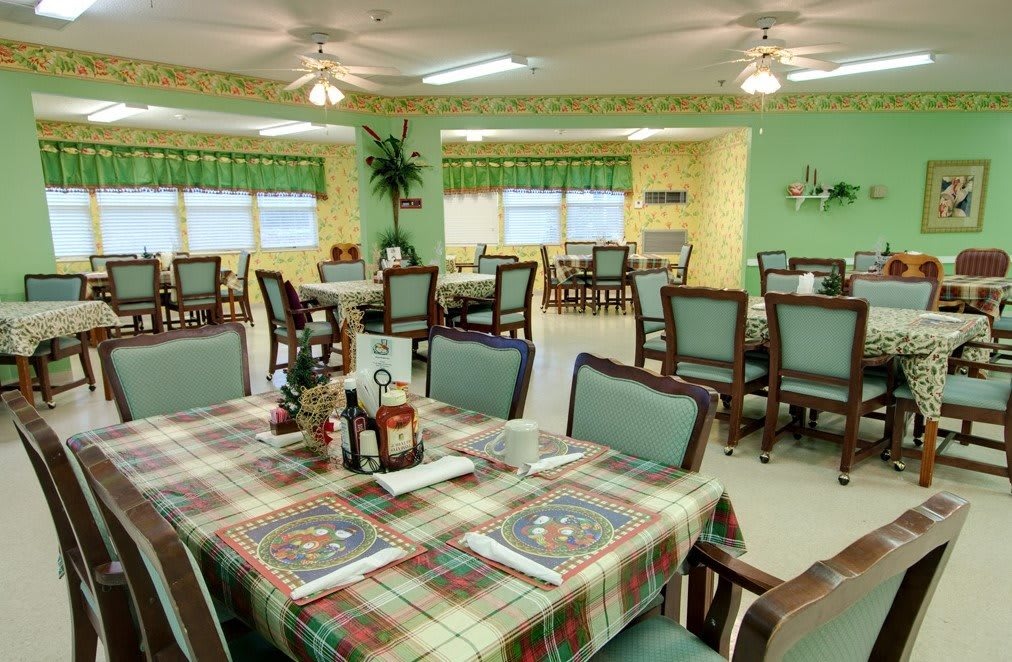
When a doctor or hospital discharge planner says a parent needs "more care," families in West Columbia face a big decision. More care can mean an assisted living community, where staff help with daily life, or a nursing home, where licensed nurses provide medical care around the clock. The two settings serve different needs and come with very different costs. This guide compares 2025 prices in the Columbia area and explains how to tell which level of care fits.
The 2025 cost comparison
CareScout's 2025 Cost of Care Survey reports these medians for the Columbia, SC metro area, which includes West Columbia (CareScout Cost of Care tool):
| Setting (Columbia, SC area, 2025) | Monthly median | Approximate yearly cost |
|---|---|---|
| Assisted living | $6,520 | $78,240 |
| Nursing home, semi-private room | $10,083 | $120,996 |
| Nursing home, private room | $10,585 | $127,020 |
In plain terms:
- A semi-private nursing home room costs about $3,563 more per month than the assisted living median.
- A private nursing home room costs about $4,065 more per month.
- Over a year, the difference between assisted living and a private nursing home room is about $48,780.
Statewide, South Carolina's 2025 medians were $5,350 a month for assisted living, $9,034 for a semi-private nursing home room, and $9,612 for a private room (Genworth and CareScout 2025 Cost of Care Survey summary, PDF).
How the care levels differ
Assisted living
In South Carolina, assisted living communities are licensed as community residential care facilities (CRCFs). The Department of Public Health describes a CRCF as a facility that offers room and board and provides or coordinates a degree of personal care, designed to accommodate residents' changing needs while maximizing dignity, independence, and safety (SC Department of Public Health, Community Residential Care Facilities).
Assisted living typically includes help with bathing, dressing, toileting, and medications, plus meals, housekeeping, activities, and staff available around the clock.
Nursing homes
Nursing homes provide 24-hour nursing care and medical supervision for people with complex or unstable health needs, as well as short-term rehabilitation after a hospital stay. They are staffed with licensed nurses at all hours.
Who typically needs each setting
Assisted living often fits someone who:
- Needs help with daily tasks such as bathing, dressing, or medications
- Has stable health conditions managed by their own doctors
- Is lonely or isolated at home
- Benefits from prepared meals and housekeeping
- Can take part in community life
A nursing home often fits someone who:
- Needs skilled nursing care every day
- Requires two-person help with transfers
- Has medical conditions that need close monitoring
- Is recovering from a hospital stay and needs daily rehabilitation
Your parent's physician and discharge planner can help you decide. If a nursing home is recommended, ask whether it is for short-term rehabilitation or long-term care, because that changes how it is paid for.
How Medicare fits in
Medicare does not pay for room and board or ongoing personal care in assisted living. It can cover a limited stay in a skilled nursing facility after a qualifying inpatient hospital stay, when a person needs daily skilled care, for up to 100 days in a benefit period, with coinsurance after day 20 (Medicare, skilled nursing facility care). Medicare does not cover long-term custodial care.
That matters after a hospital stay at one of the Columbia-area hospitals. A short rehabilitation stay may be largely covered, but once skilled care ends, families often face a choice between paying privately for a nursing home, applying for Medicaid, or moving to assisted living.
How South Carolina Medicaid fits in
South Carolina Medicaid can pay for nursing home care for people who meet financial rules and need a nursing facility level of care. For people who would qualify for nursing home care but prefer to stay at home, the Community Choices waiver offers assistive services at home instead (SCDHHS, Community Choices waiver).
Medicaid generally does not pay for assisted living room and board. For lower-income residents, South Carolina's Optional State Supplementation helps people living in licensed and enrolled community residential care facilities (SCDHHS, Optional State Supplementation). Our guide to paying for assisted living in South Carolina explains how OSS works.
When assisted living can delay a nursing home
For many people, assisted living provides enough support to live safely for a long time. Regular meals, help with medications, and staff who notice changes early can prevent some of the crises that lead to hospital stays. Outside services, such as home health visits, therapy, and hospice, can often come into assisted living, depending on the community's policies and the resident's needs. Ask which outside providers each community works with.
Comparing the full picture
Look beyond the monthly rate:
- What is included. Nursing home rates generally include nursing care and medical supplies. Assisted living rates may or may not include every level of help.
- Who pays. Medicare may cover part of a short rehabilitation stay. Medicaid may cover long-term nursing home care for those who qualify. Assisted living is usually private pay, with OSS for some lower-income residents.
- Quality of life. Consider privacy, room type, food, activities, and how much independence your parent will keep.
Checking quality
For nursing homes, Medicare's Care Compare tool shows inspection results, staffing information, and quality measures. For assisted living, the Department of Public Health offers a facility locator for licensed community residential care facilities, along with a way to file complaints. Our guide to South Carolina assisted living licensing explains what to look for.
Questions to ask your parent's care team
- Does my parent need skilled nursing care every day, or help with daily living?
- Is a nursing home recommended for short-term rehabilitation or long-term care?
- Could assisted living, with outside services, meet my parent's needs?
- What changes would signal that a higher level of care is needed?
Local help
The Central Midlands Area Agency on Aging, 803-376-5390, offers information and referral, free Medicare counseling, and the long-term care ombudsman program for Lexington and Richland counties (Central Midlands Area Agency on Aging).
Talk with Jenni-Lynn Senior Living
Jenni-Lynn Senior Living is an assisted living and independent living community, not a nursing home. If you are weighing options after a hospital stay or a change at home, call (803) 674-8126. We can talk through whether our assisted living may meet your parent's needs.
Frequently asked questions
Is a nursing home more expensive than assisted living in West Columbia?
Yes. In 2025, the Columbia-area median was $6,520 a month for assisted living, compared with $10,083 for a semi-private nursing home room and $10,585 for a private room.
Does Medicare pay for a nursing home?
Medicare can cover a limited skilled nursing facility stay after a qualifying hospital stay, up to 100 days per benefit period, but not long-term custodial care.
Does South Carolina Medicaid pay for assisted living?
Medicaid generally does not pay assisted living room and board. Optional State Supplementation helps eligible low-income residents of enrolled CRCFs.
How do I know which level of care my parent needs?
Ask your parent's physician and hospital discharge planner. The key question is whether daily skilled nursing care is needed, or help with daily living.
Sources
- CareScout Cost of Care tool (2025 data)
- Genworth and CareScout 2025 Cost of Care Survey summary (PDF)
- SC Department of Public Health: Community Residential Care Facilities
- Medicare: Skilled nursing facility care
- SCDHHS: Community Choices waiver
- SCDHHS: Optional State Supplementation
- Central Midlands Area Agency on Aging