How to Choose an Assisted Living Community in West Columbia, South Carolina
Choosing an assisted living community for a parent is a major decision, and it often has to be made quickly after a fall, a hospital stay, or a caregiver's own health scare. West Columbia, Cayce, Lexington, and Columbia offer many options, from smaller long-established communities to large new buildings. A clear process helps you compare them fairly and choose with confidence. Here is a step-by-step approach for Midlands families.
Step 1: Write down your parent's needs
Before you call anyone, list what your parent needs help with now and what may change over the next year or two:
- Daily tasks. Bathing, dressing, grooming, toileting, eating, and walking.
- Medications. How many, how often, and whether your parent can manage them.
- Memory. Any confusion, getting lost, or unsafe behavior.
- Health. Chronic conditions, recent hospital stays, and therapy needs.
- Social life. Interests, faith, friendships, and comfort in groups.
- Preferences. Private or shared room, food, routines, and location.
Ask your parent's physician for an opinion too, especially if memory changes are part of the picture.
Step 2: Know the South Carolina terms
In South Carolina, assisted living communities are licensed by the Department of Public Health as community residential care facilities (CRCFs). The department describes CRCFs as offering room and board and providing or coordinating personal care, designed to accommodate changing needs and maximize dignity, independence, privacy, and safety (SC Department of Public Health, Community Residential Care Facilities).
If your parent is living with dementia, look for a community with an Alzheimer's special care unit or program. South Carolina law requires such programs to provide a written disclosure of their admission criteria, staffing, training, environment, activities, family role, and unique costs (S.C. Code § 44-36-520).
Step 3: Set a budget
CareScout's 2025 survey reports a median of $6,520 a month for assisted living in the Columbia, SC area (CareScout Cost of Care tool). Compare that with your parent's income and savings, and check whether long-term care insurance, VA Aid and Attendance, or Optional State Supplementation could help. Our guide to paying for assisted living in South Carolina explains each option.
Step 4: Think about location
For many families, location means:
- Close enough for regular visits
- Convenient to your parent's doctors and preferred hospital
- Near a familiar church or neighborhood
- Easy to reach from I-26, I-20, or wherever family lives
Step 5: Build a short list
The Department of Public Health offers a "Find a Facility" map for licensed community residential care facilities on its CRCF page. Use it to confirm that each community you are considering is licensed. Start with three to five communities that fit your parent's needs, budget, and preferred area.
Step 6: Call before you visit
A quick call can save a wasted trip. Ask:
- Do you have openings, and in which room types?
- What is the monthly rate, and how is care priced?
- Do you accept Optional State Supplementation?
- Can you meet my parent's needs?
- Can we visit and stay for a meal?
Step 7: Visit, and visit again
Visit each community on your short list at least once, and return to your favorites at a different time of day, such as a mealtime or early evening. Bring your parent if possible, and let them set the pace.
Step 8: Use a tour checklist
First impressions
- Is the building clean, cool, and free of strong odors?
- Are hallways well lit, with handrails?
- Do residents seem comfortable and engaged?
- Do staff greet residents by name?
Care and staffing
- How do you assess new residents, and how often do you reassess?
- How many staff are on duty during the day, evening, and overnight?
- Is there a nurse on staff?
- How are medications handled?
- What happens in an emergency?
Rooms
- What room types are available?
- Are bathrooms private or shared?
- Can residents bring their own furniture?
- Is there an emergency call system?
Dining and daily life
- Can we see a week of menus?
- Are special diets offered?
- Is there an activity calendar, and are residents taking part?
- Is transportation available for appointments and shopping?
Contract and costs
- What does the base rate include?
- What costs extra?
- How much notice do you give before changing charges?
- When might a resident be asked to move?
Step 9: Understand residents' rights
South Carolina's Bill of Rights for Residents of Long-Term Care Facilities requires each facility to give residents a written and oral explanation of their rights and grievance procedures before or at admission, and to inform them in writing of available services and related charges and the refund policy. It also requires at least 30 days' written notice before a transfer or discharge, except when the health, safety, or welfare of other residents would be endangered (S.C. Code § 44-81-40). Ask each community for its written rights and grievance procedure.
Talk with residents and families
If the community allows it, ask to speak briefly with a resident or family member. Ask what they like, what they would change, and how staff respond when something goes wrong. Their answers often tell you more than any brochure.
Step 10: Review the contract
Read the residency agreement carefully before signing. Make sure you understand the services and charges, the refund policy, discharge conditions, and how rate changes are communicated. Ask about any move-in fees and whether any part is refundable.
Where to raise concerns
- Talk to the administrator first.
- SC Department of Public Health: use the "File a Complaint" link on the department's CRCF page.
- Long Term Care Ombudsman: 1-800-868-9095, to resolve complaints made by or for residents of long-term care facilities, including suspected abuse or neglect in a facility (SC Department on Aging, Long Term Care Ombudsman Program).
- Emergencies: call 911.
Making the decision
After your visits, compare notes with family. Where did staff seem patient and kind? Where could you picture your parent living comfortably? Trust what you observed, and involve your parent in the final choice whenever possible. Our guide to assisted living vs. independent living in West Columbia may help if you are still deciding which setting fits.
Visit Jenni-Lynn Senior Living
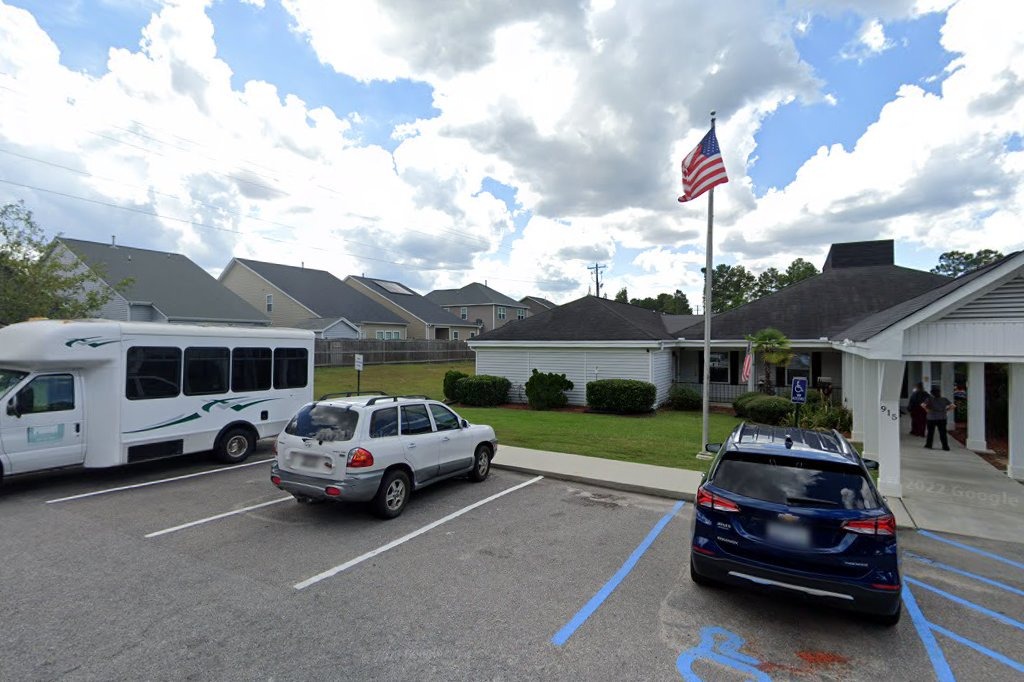
Jenni-Lynn Senior Living, at 915 Hook Avenue in West Columbia, offers assisted living and independent living cottages. Browse our daily life and gallery pages, then call (803) 674-8126 or plan a visit.
Frequently asked questions
How do I check whether an assisted living community in South Carolina is licensed?
Use the "Find a Facility" map on the SC Department of Public Health's community residential care facility page.
How many communities should I visit?
Most families visit three to five, and return to their top choice at a different time of day.
What notice must a South Carolina assisted living community give before discharge?
The residents' bill of rights requires at least 30 days' written notice, except when other residents' health, safety, or welfare would be endangered.
Who can help if I have a concern about care?
Talk with the administrator first. You can also file a complaint with the Department of Public Health or call the Long Term Care Ombudsman at 1-800-868-9095.