Signs It May Be Time for Assisted Living in West Columbia, South Carolina
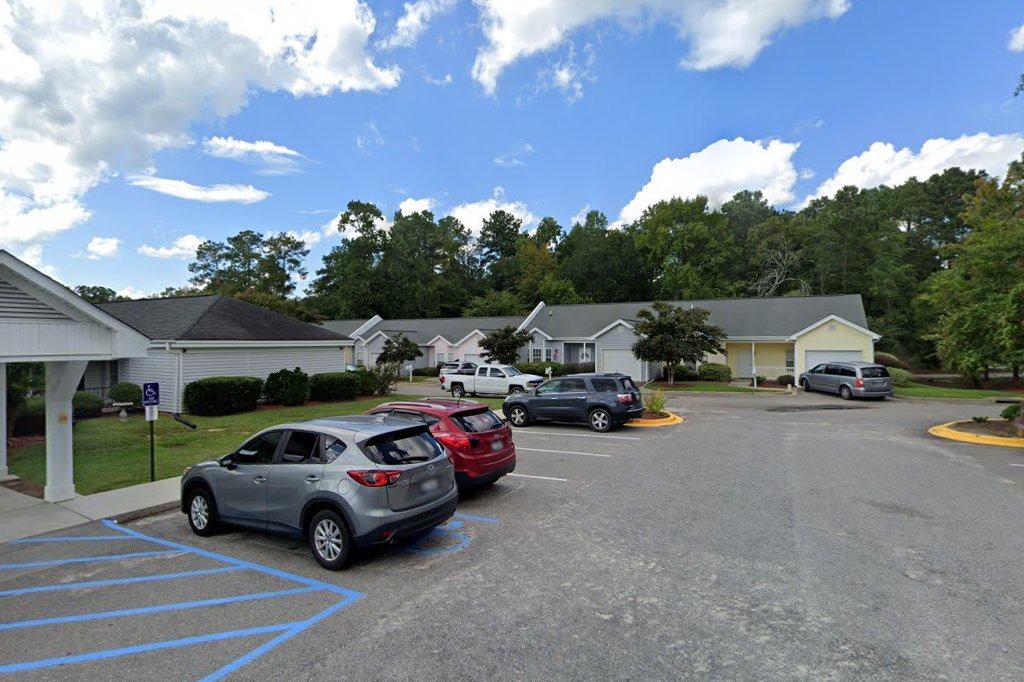
The decision to consider assisted living rarely arrives all at once. More often, small changes pile up: unopened mail on the counter, a parent who stops going to church, a near-fall in the bathroom. Sometimes a hospital stay or a frightening phone call makes everything clear. If you are wondering whether your parent in West Columbia, Cayce, or elsewhere in the Midlands needs more support, this guide can help you sort through what you are seeing and plan next steps.
Signs in daily life
Personal care
- Wearing the same clothes for several days
- Skipping baths or showers, or struggling to get in and out of the tub
- Changes in grooming, such as unwashed hair or untrimmed nails
- Trouble with toileting or continence
Medications
- Pill organizers that are full at the end of the week, or empty too soon
- Confusion about which pills to take and when
- Missed refills or appointments
Meals and nutrition
- An empty refrigerator, or spoiled food left out
- Noticeable weight loss
- Relying on snacks instead of meals
- Burned pots or a stove left on
The house and yard
- Unopened mail and unpaid bills
- Clutter, dishes, or laundry piling up
- An overgrown yard or repairs left undone
- Difficulty keeping the house cool in summer heat
Signs in health and safety
- Falls or near-falls. Even one fall can shake confidence. Repeated falls are a strong signal.
- Unexplained bruises. They may point to falls your parent has not mentioned.
- Hospital or emergency visits. Repeated visits often mean needs have outgrown the current setup.
- Driving concerns. New dents, getting lost on familiar roads, or giving up driving can leave a parent isolated.
- Summer heat. South Carolina summers are hard on older adults living alone, especially if air conditioning fails or they forget to drink enough water.
Signs in mood and memory
- Withdrawing from friends, church, or activities they enjoyed
- Loneliness, sadness, or loss of interest
- Repeating questions or stories
- Getting lost in familiar places
- Missing appointments or forgetting conversations
- New suspicion, anxiety, or agitation
Memory changes deserve a medical evaluation. Some causes are treatable, and a diagnosis helps with planning. If dementia is part of the picture, our guide to memory care costs in West Columbia explains what memory care offers and how it differs from assisted living.
Signs in the caregiver
Sometimes the clearest signs come from the person providing care:
- You feel exhausted most of the time
- Your own health, job, or family is suffering
- You worry constantly when you are away
- You are doing tasks you are not trained for, such as lifting or complex transfers
- Your parent needs help at night, and no one is sleeping well
Caregiver strain is a real and valid reason to look for more help. A short respite stay can provide a break and a chance to try community living; see our guide to respite care in West Columbia.
Looking at the whole picture
No single sign settles the question. A parent who is active and social but struggling with medications may need only a little more help at home. A parent who seems fine during a short visit may be lonely, eating poorly, and afraid of the stairs. Try to look at the whole week, not just the moments you see. Ask neighbors, friends, and church members what they have noticed, and take your parent's own feelings seriously.
Keeping a simple log
For a few weeks, write down what you notice: missed medications, skipped meals, falls, confusion, and times your parent needed help. A log helps you see patterns, share accurate information with siblings and doctors, and describe needs clearly when you talk with communities.
What your parent may be feeling
It helps to remember that many of these changes are hard for your parent, too. Giving up driving, needing help in the bathroom, or forgetting a grandchild's name can bring embarrassment, grief, and fear. Some parents hide problems to protect their independence or to avoid being a burden. Approaching the subject with patience, and focusing on what will make life easier and more enjoyable rather than on what has been lost, often opens the door to a better conversation.
How to start the conversation
- Choose a calm moment. Avoid starting right after a crisis if you can.
- Lead with concern. Describe what you have noticed and why you are worried.
- Listen. Ask what your parent fears and what matters most to them.
- Offer choices. Involve your parent in deciding which communities to visit.
- Bring in trusted voices. A physician, pastor, or close friend may help.
- Take small steps. A lunch visit or tour is a low-pressure start.
Assisted living or independent living?
Not every parent who needs a change needs personal care. Some mainly need relief from home upkeep and more social contact, which independent living can provide. Others need daily help with bathing, dressing, or medications, which is what assisted living offers. Our guide to assisted living vs. independent living in West Columbia explains the difference.
What to do next
- Talk with your parent's doctor about what you are seeing.
- Call the Central Midlands Area Agency on Aging at 803-376-5390 for information, referrals, in-home service assessments, and family caregiver support (Central Midlands Area Agency on Aging).
- Look at costs. CareScout's 2025 survey reports a Columbia-area median of $6,520 a month for assisted living and $31 an hour for a home health aide (CareScout Cost of Care tool).
- Visit a few communities. Seeing a place in person answers questions that are hard to settle on paper.
When it is urgent
If your parent is in immediate danger, call 911. To report suspected abuse, neglect, or exploitation of a vulnerable adult living in the community, South Carolina's Adult Protective Services takes reports at 1-888-227-3487 (SC Department of Social Services, Adult Protection). For concerns about a resident of a long-term care facility, call the Long Term Care Ombudsman at 1-800-868-9095 (SC Department on Aging, Long Term Care Ombudsman Program).
Talk with Jenni-Lynn Senior Living
Jenni-Lynn Senior Living, at 915 Hook Avenue in West Columbia, offers assisted living and independent living. If you are noticing some of these signs, we are glad to talk without pressure. Call (803) 674-8126, or read our frequently asked questions.
Frequently asked questions
What are the most common signs a parent needs assisted living?
Falls, missed medications, poor nutrition, difficulty with personal care and household tasks, loneliness, and caregiver exhaustion are among the most common.
Is one fall a reason to move?
Not necessarily, but it is a reason to look closely at safety at home and talk with your parent's doctor. Repeated falls are a stronger signal.
Who can help my family decide in Lexington County?
The Central Midlands Area Agency on Aging, 803-376-5390, offers information, referrals, and assessments for older adults in Lexington, Richland, Fairfield, and Newberry counties.
How do I bring up assisted living with my parent?
Choose a calm time, share specific concerns, listen, offer choices, and suggest a low-pressure visit.